Get your plate in shape: Plan your veggies with at least two meals a day!

March 13th, 2012

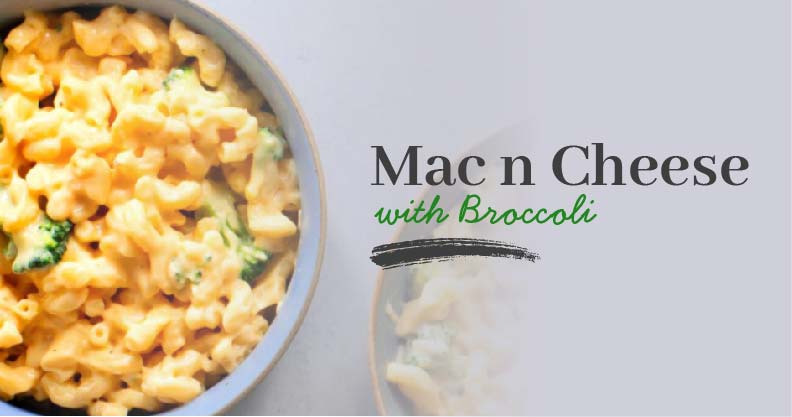
Research have shown that people who eat vegetables as a daily part of their healthy diet have reduced risk of developing some chronic health conditions like obesity, diabetes, heart disease and some cancers due to its unique nutrient contents. The type of vegetable and daily amount that needs to be consumed depends upon your age, gender and health conditions. In general on an average adults need about 2-3 cups and children about 1-2 cups every day to get the health benefits. 1 cup cooked or 2 cups raw vegetable will count as a 1 cup equivalent. Vegetables can be eaten raw, cooked, frozen, canned or in juice form depending of the choice with out adding a lot of fat, sugar or sodium to get the full benefits. Try to limit starchy vegetables like potatoes, corn, taro, water chestnuts and chose more from green leafy vegetables and other less starchy vegetables like squashes, peppers, zucchini, cauliflower, broccoli, Brussels sprouts , green beans carrots, tomatoes etc. Besides protecting from chronic diseases daily consumptions of adequate amount of vegetables are also important for your good vision and skin health and boosting immune system. Vegetables also keep your teeth and gums healthy thus may reduce your dentist visit. Vary your veggie choices to get the health benefits form their unique nutrient. To get the most nutritional value prepare more from fresh vegetables by steaming, sautéing in minimum oil using minimum salt. Many vegetables can be eaten raw like carrots, broccoli, and cauliflower with any low fat dip or dressing of choice. If consuming raw make sure to rinse under clean water thoroughly to get rid of any dirt and surface microorganism. Look for seasonal vegetables and mangers’ special to save money. Plan your veggies with at least two meals a day to meet your needs. The best way to do it to plan your lunch and dinner meal around veggies. Meal green leafy salad with low fat dressing and some lean protein would be a ideal lunch meal choice and prepare a vegetable of choice as a side dish during dinner.

Healthy regards,

Shraddha Chaubey,MS,RD,CD

President

NUTRIPLEDGE, LLC

www.nutripledge.com


Happy and healthy valentines day!

February 6th, 2012

Give a heart healthy gift to your sweet heart this year!
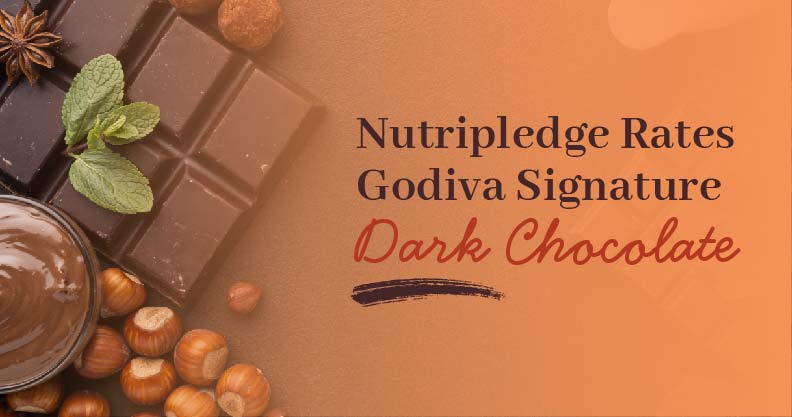
Dark chocolate: Cocoa in chocolates contains heart healthy antioxidants. Usually, dark chocolates will have more cocoa.
Nuts: provide many heart healthy nutrients and healthy fats.
Green tea: is known for its potential to fight heart disease and cancer since ancient times.
Fruit basket: Whole fruits are good source of fibers and many vitamins and minerals to provide heart protection.

Plan a balanced meal to meet your health needs!

January 16th, 2012

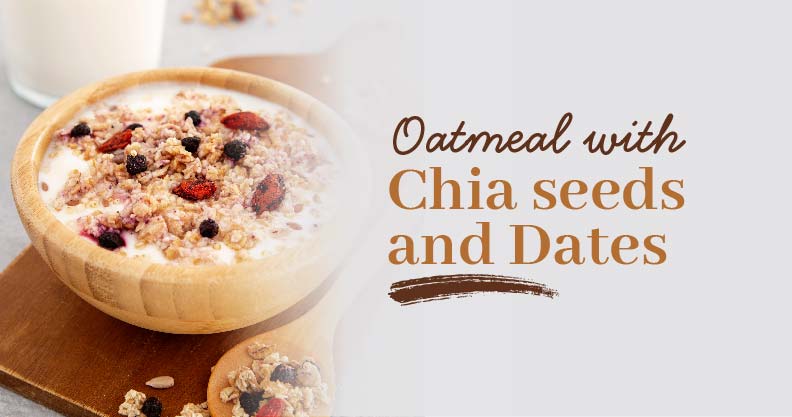
Along with daily exercise it is very important to eat right for your optimal health and wellness. Plan your meals including foods from all food groups to get all the nutrients your body needs to stay healthy. Nutrients don’t work in isolation. The synergy among nutrients plays a major role in our overall health and wellness. Your unique nutrient need varies depending upon your age, gender, health conditions, medications and lifestyle. As a general guide, you need to plan your meals in a way to include foods to get all essential macronutrients (protein, fat and carbohydrates) your body needs for energy. Lean meat, eggs, poultry are good source of high quality protein. Low fat dairy (like cheese, yogurt), beans and lentils make a good source of protein and carbohydrates as well. Whole grain is an excellent choice for your major source of carbohydrates for energy. Our body is dependent upon fat sources from foods specially omega 3 and omega 6 fatty acids which are essential types of fat required in many metabolic process. These fats must be consumed from food to keep us away from chronic illness including osteoporosis as our body cannot synthesize these types of fat. We can easily get omega 3 and omega 6 fat by including in our meals fish, algae, flax seeds, chia seeds, walnuts, pumpkin seeds, sunflower seeds, canola oil and sunflower. Remember, these macro nutrients and essential fatty acids (omega 3 and omega 6) work synergistically in our body to perform many vital biological processes to keep us healthy.
To best support our health and wellbeing we need these essential macronutrients from variety of sources in as natural form as possible to get hundreds of different vitamins and minerals our body needs to maintain our health and keep us away from chronic illness. Although our body has a unique mechanism to survive many nutrient deficiencies, what makes us chronically ill is inadequate diet in these essential nutrients.
Pledge with us today for the diet plan that is right for you!
Shraddha Chaubey, MS,RD,CD
Founder and President
NutriPledge, LLC
www.nutripledge.com

Tips to save more than 1000 calories in your holiday dinner!

December 13th, 2011

A typical holiday dinner plate can have up to 2000 calories or more. You gain about one pound after every extra 3500 calories you consume. It means you may add ½ to 1 pound extra with every holiday dinner you are attending in the season. Follow the tips below to save you about 1000 calories in holiday dinner you attend this season.
1. Save approximately 150 calories per serving (~ 3.5 oz) if you choose non-fried without skin meat
2. Save approximately 100 calories by eating per serving (~1 Tblsp) bread without applying butter
3. Save approximately 40 calories by cutting down serving size for gravy into half (~ 1.5 Tblsp)
4. Save approximately 80 calories per serving (~ 3 Tblsp) by using fat free salad dressing instead of regular
5. Save approximately 150 calories by drinking water instead of cocktail drink (1 cup, 8 oz)
6. Save approximately 135 calories by cutting down the serving size into half in dessert
7. Save approximately 500 calories by just not going for seconds
Total calories saved approximately 1155. NutriPledge wishes you a very happy and healthy holidays!

Here are the details on how?
Food Cooking method Portions ( 1 servings) Approximate calories
Meat Extra lean meat without skin 100 gram = ~ 3.5 ounces 100-120
Meat Roasted /broiled 100 gram = ~ 3.5 ounces 170-300
Meat Fried 100 gram = ~ 3.5 ounces 300-400
*You can save approximately 150 calories per serving by choosing non-fried lean meat without skin

Fruit Whole Small-medium size 50-100 calories
Fruit dessert Apple pie 100 gram = 1/8th of a 9” pie 270calories
*Cutting down the serving size of dessert to half will save you approximately 135 calories

Bread Baked bread 1 slice 80-100 calories
Butter Butter stick 1 tablespoon 100 calories
*Try bread without butter. Save approximately 100 calories

Starchy vegetables
Potato Mashed potato ½ cup 80 calories
Gravy Gravy 3 tablespoons 80 calories
*Cut down gravy into half. Save 40 calories

Non starchy vegetables Green leafy salad 1 cup 25-30 calories
Salad dressing Ranch regular 1 serving = ~ 3 Tablespoons 130 calories
Salad dressing Ranch fat free 1 serving = ~ 3 Tablespoons 50 calories
*Use fat free dressing. Save approximate 80 calories

Cranberry apple juice cocktail Cocktail non-alcoholic drink 1 cup ( 8 oz) 150 calories
Water Water 1 cup ( 8 oz) 0 calories
*Drink water instead. Save 150 calories
*Not going for seconds. Save ~ 500 calories

Total calories saved = Approximately 1155 

Extra tip: Chose whole foods if possible. Whole food may require approximately 50% more energy to digest compared to digesting processed foods. Therefore, whole foods leave less energy for storage.

Be thankful to your health!

November 11th, 2011

In holidays we tend to become a little ignorant about our health. Be thankful to your health by planning a healthful thanksgiving dinner this thanksgiving. Hope these tips will help you enjoy upcoming thanksgiving dinner without compromising your health.

If you are an honored host /cook for a thanksgiving dinner: Congratulations, if you are one of those who are planning to cook, there is nothing healthier and economical than cooking at home. Cook healthy this year by planning ahead. We still have plenty of time left to plan ahead for a healthy menu and recipes. I find traditional menu very healthy but our way of cooking may make it unhealthy. There are many ways to cut calories and fat from your favorite recipes. Look for some healthy recipes on-line, and experiment with a new recipe this year. There are more than you can imagine. Here are some healthy tips for a traditional Thanksgiving menu.

Turkey: Turkey is one of the leanest meats and provides a good source of protein, selenium, antioxidants with cancer protective properties and B vitamins, important for energy metabolism and production. About 100 grams (3.6 oz) of turkey provides about 119 kcal and 1 gram of fat. Find stuffing recipes with lots of fruits, veggies and whole grains. Removing skin from turkey will also lower the fat content.

Green Beans casserole: Green beans are low calories ( 1 cup has only about 44 calories), and loaded with nutrients. They are excellent source of vitamin k, Ca and manganese. Green beans are also a good source of fiber, vitamin A and iron with many health benefits. Use low sodium and low fat cream of mushroom or celery and low fat milk. You can topped with almonds instead of onions. If you need crispy onion flavor, you can cut down how much onions you use for the toppings.

Mashed potato: Potatoes are good source of complex carbohydrates, fiber and Vitamin C and can be low in calories if cooked right. A medium size 4 oz. potato has only 88 calories. Red and purple potatoes are rich in flavonoids called anthocyanin which is an antioxidant that has heart protecting and anticancer properties. Try this season’s mashed potato with some roasted garlic and olive oil. Add salt and pepper to taste.

Rolls: Look for whole grain rolls. Whole grain provides extra nutrients to nourish our body. Due to fiber content in whole grain it digests slowly and has long lasting energy in the body.

Cranberry: Cranberries belong to the family of blueberries and have antioxidant properties. They are also a good source of fiber. Try this season’s healthy cranberry relish by just blending and adding some apples, honey, and vinegar in the blender.

Some recipe conversion tips:

One whole egg can be substituted with two egg whites
Sour cream can be substituted with low fat yogurt
Whole milk can be substituted with low fat milk
Ice-cream can be substituted with frozen yogurt
Cream of mushroom soup can be substituted with fat free cream of mushroom soup
Butter can be substituted with light butter or peanut oil
Whipped cream, cheese can be substituted with Low fat whipped cream, cheese

If you are a Thanksgiving guest:
You can also enjoy eating healthy without feeling guilty. Hope, these tips help.
1. Do not go to the Thanksgiving dinner hungry: We often tend to eat faster and more when we are hungry. Have a proper healthy breakfast and lunch to avoid overeating.
2. Go with a mind set: Go with a mind set of no seconds/refills. Try to fill half of your plate with veggies and fruits. Then get some protein (meat or legumes) and try to pick whole grain breads for your carbs, if you are given a choice. Not going for seconds will leave you some appetite for dessert.
3. Try to take off skin from your meat to take off some fat, cholesterol and calories.
4. Limit or avoid high fat items on your plate. For example fried foods, creamy dishes and cheese filled casseroles. If you do not find low fat items, then control your portion size.
5. Drink water with your meal to help you save some extra calories.

Wishing you a very happy and healthy thanksgiving!

Shraddha Chaubey, MS,RD,CS
Founder and President
NutriPledge, LLC
www.nutripledge.com

High energy foods to recharge your body!

October 14th, 2011

There is no one magical food or a pill that can provide you with all the energy you need to keep yourself going. You need nutrient dense foods rather than calorie dense from all the food groups to provide you the essential nutrients your body needs to function. While each vitamin and mineral has a unique role to play in the body, some nutrients, vitamins and minerals are vital for production and transport of energy. For example, B vitamins; especially thymine (B1), riboflavin (B2), niacin, and pyridoxine (B6) and minerals; magnesium, phosphorus, zinc, iodine, copper and chromium are needed in the biochemical process of energy production. Water is also needed for these energy reactions to take place in the body. Therefore, you need foods rich in these vitamins, minerals and water to provide energy to perform the day today tasks. Daily requirement for these energy nutrients varies from person to person. In order for the energy to last throughout the day you need foods from all major food groups. Carbohydrates offer a quick source of energy, protein may keep your energy up, and fat may make your energy last. You can divide up these foods groups throughout the day per your lifestyle. Generally, highly processed foods like refined flour, sugar, and products made with these are lacking in these important vitamin and minerals. Therefore, a diet low in these nutrients can drop your energy level. Try foods from different food groups throughout the day as shown below to provide you ample and steady energy. For your particular needs of energy and these nutrients you need to consult a registered dietitian or a qualified health care provider.
Low fat milk and yogurt: Can be a good source of phosphorus and riboflavin (B2)
Whole grains: Can be a good source of phosphorus, zinc, chromium, magnesium (brown rice), thymine (B1), and riboflavin (B2)
Eggs and Poultry and fish and lean meat: Can be a good source of phosphorus, zinc, iodine (salt water fish), copper, chromium, and pyridoxine (tuna)
Beans and Peas: Can be a good source of thymine (B1), magnesium, and pyridoxine (soy beans, navy beans)
Nuts and seeds: Can be a good source of phosphorus, copper, magnesium, thymine (B1) and pyridoxine (sunflower seeds, walnuts)
Fruits: Can be good source of water and pyridoxine (banana)
Vegetables: Can be a good source of water, riboflavin (B2) (mushrooms), magnesium (carrots, spinach), niacin (mushrooms), and pyridoxine (spinach, potatoes)
Energy menu suggestion for the day:
Breakfast: Try 1 tablespoon of almond butter on whole grain bread with skim milk.
Lunch: Try a sandwich or salad that includes fish and veggies especially some mushrooms and spinach.
Dinner: Try some beans and brown rice (whole grain) .
Snack: Try a banana with fat free yogurt or a banana smoothie low in sugar and fat.

Shraddha Chaubey, MS,RD,CD
Founder and President
NutriPledge, LLC
Website: www.nutripledge.com

Tip # 7: Adult weight management series: Don’t be afraid of cooking. Nothing is healthier than a home cooked meal

June 13th, 2011

There is nothing else that gives me more pleasure then a home cooked meal. Because it is not just nutritious, delicious, and economical but it also builds some confidence and boosts my self esteem when my family thanks me for cooking a delicious meal and requests to cook it again soon for them because they liked it so much. In order to cook at home you do not have to be a gourmet chef. Most of the time I purchase fruits and vegetables I find on sale. I cut variety of fruits and mix it all together and refrigerate it to be used when I need. You can easily use it for about 3 days without compromising the fresh taste of it. Any kind of mixed fruit with some low fat cottage cheese with some walnuts is an all time favorite of my family including my kids. Most vegetables can be washed and consumed raw such as carrots, cucumber, cabbage, broccoli, bell peppers, spinach etc. You can always keep these vegetables handy to serve before the main meal to be eaten as appetizer with any low fat salad dressing of choice. I personally spray some fresh lemon juice, and sprinkle a pinch of salt. Other vegetables like green beans, French beans, and asparagus, can be easily sautéed in a little bit of olive or canola oil adding a zest of black pepper and a pinch of salt to taste. Any pre-cut frozen vegetable usually has a simple recipe and how to prepare it on the packet itself or can be easily added in any pasta or rice dish. Eating out to me is a journey into the unknown. It takes me couple of trips to a restaurant before I can comfortably order a dish with confidence which is worth my money, time and health. After eating a meal outside, we often discuss on our way back home how we could have ordered that food differently to make it more healthier for us. I always feel more in control and in charge of me and my family’s health when I prepare meals at home. In most of the recipes sugar, salt and butter or oil can be cut in half without compromising the taste. I often substitute low fat yogurt instead of sour cream and low fat frozen yogurt instead of ice cream to make a healthier version. My family can never even notice or complains about it. We also eat out occasionally but often will have a discussion that food either was too salty, to oily or too rich. At home cooking you can cut down salt, sugar, fat as much as you want to and feel a vibrant health after you get used to the flavor of home cooking.
Shraddha Chaubey, MS,RD,CDN
Founder and President
NutriPledge,LLC

Do you really need a calcium supplement?

April 22nd, 2011

If you are one of those people who are taking calcium supplements; you may need to weigh the benefits again. According to a recent trial on postmenopausal women, researchers concluded that women who took calcium supplements with or without vitamin D had 13-22 percent greater risk of having a heart attack than women who did not. The bottom line is that recommended dietary allowance (RDA) for calcium for women ages 51 plus is 1200 mg per day. Your daily calcium requirement can be easily met if you are consuming appropriate servings of calcium rich foods like milk and other dairy products, sardines, almonds, and green leafy vegetables. You also need vitamin D in your diet for calcium to be absorbed in your gut to maintain normal mineralization of your bones to prevent you from fractures. Vitamin D also helps in proper functioning of your liver and kidney. RDA for vitamin D for most of the adults, ages 19 and older is 600 IU or 15 mcg. That can be easily met by a diet planned carefully. Good dietary sources of vitamin D are: Fish (tuna, mackerel), fortified milk and other dairy products, orange juice, cereals, egg yolk and mushrooms.
If you plan about 3 servings of fortified dairy or dairy products with vitamin D, 1 whole egg with yolk, 1 serving of vitamin D and calcium fortified cereal, 1 cup mushrooms spread out in your typical day, you can meet about 100% of your daily calcium needs and 50% of your vitamin D needs. Getting 10-30 minutes of sun a day will give you some more Vitamin D. If you are not able to get enough sun exposure, plan on adding 1 teaspoon of cod liver oil to your diet to meet 100% of the daily vitamin D needs. PLEDGE with us today for the diet plan that is right for you.

Shraddha Chaubey, MS,RD,CD
Registred Dietitian/Nutritionist
Founder and President
NutriPledge, LLC “for health and wellness”
“A Minority and Women-Owned Business Enterprise”
Ph # 765-491-6700
Fax # 1-877-797-3008
Website: www.nutripledge.com

Healthy foods can be unhealthy too!

April 13th, 2011

Eating too much of a healthy food can be unhealthy if not eaten in the ratio of what your body needs. For example, fruits and vegetables are very healthy foods but they miss very important nutrient protein. Nuts are considered healthy fat and rich in protein but not a good source of carbohydrates which is the main source of your daily energy. Beans are good source of fiber and protein but you may need some rice to compliment the missing amino acid lysine in it to make it a complete protein. You may also benefit adding some vitamin c rich foods like red pepper or oranges to make iron more bio-available for your body. If you have certain health conditions like diabetes, heart disease, obesity, kidney disease, digestive issues you may need to have a balance of the nutrients provided from the verity of foods to improve or manage your health conditions. In conclusion, imbalance of nutrients for from the foods you consider healthy can be a threat to your nourishment and wellbeing. PLEDGE with us today (website: www.nutripledge.com; Phone: 765-491-6700) for the diet plan that is right for you.
Shraddha Chaubey
Registered Dietitian/Nutritionist
NutriPledge, LLC
www.nutripledge.com

Sugar free may not be sugar free!

April 6th, 2011

Don’t be fooled by sugar free foods if you are watching your sugars due to following a diabetic diet or a low fat diet. In fact, sugar free may not be sugar free; you need to know the total carbohydrates in your food. All carbohydrates turn into sugar then your body stores it as fat if consumed more than your daily allowed needs and not spent. You need to adjust your meal and diabetic medications accordingly. PLEDGE with us today for the diet plan that is right for you.
Shraddha Chaubey
Registered dietitian/Nutritionist
NutriPledge, LLC
www.nutripledge.com
765-491-6700